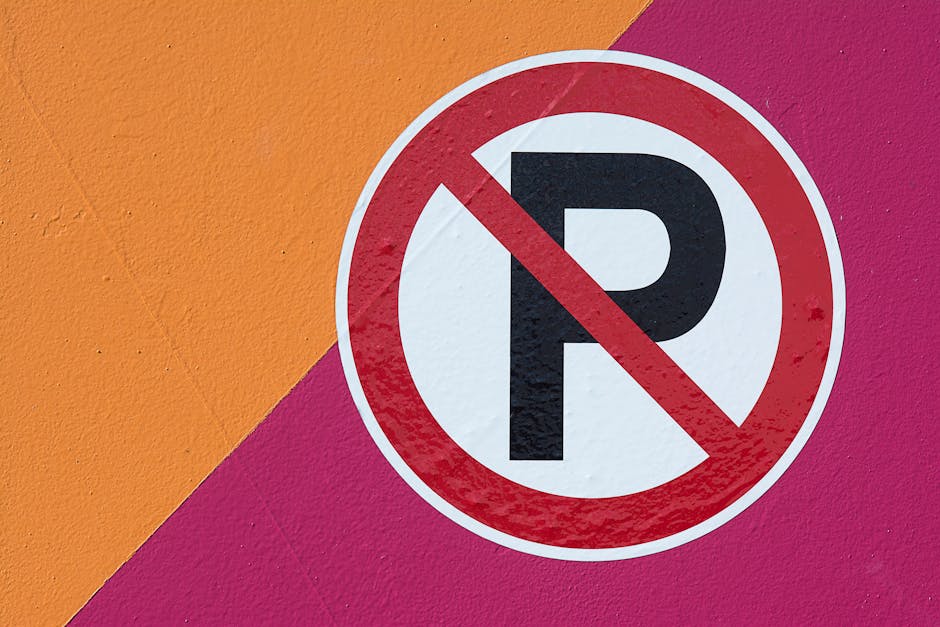
Avoid fines: parking suspension near Raphael Park
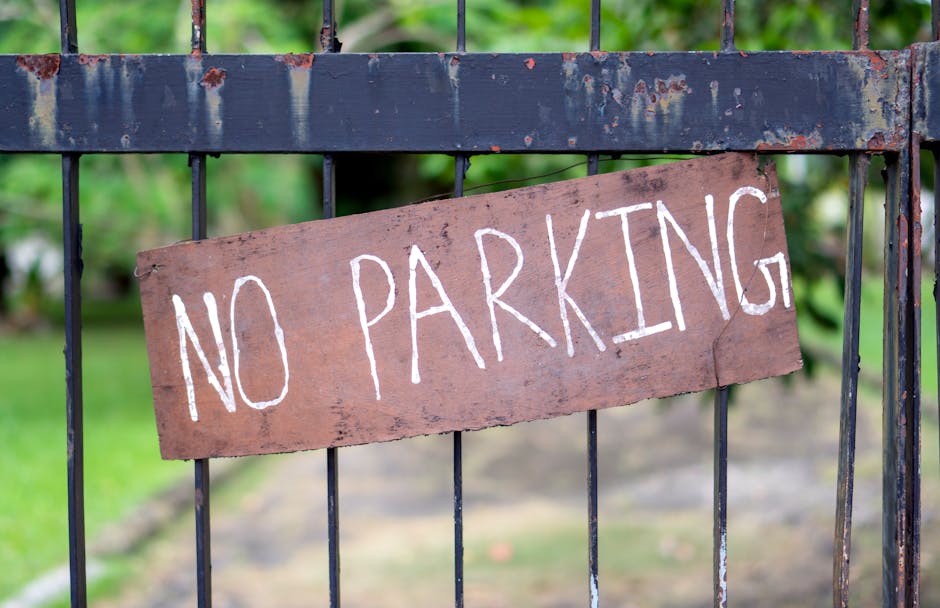
If you are planning a move or delivery near Raphael Park, the parking situation can catch people out fast. One minute you're lining up the van, the next you're staring at a suspension sign and wondering whether you've missed something obvious. Truth be told, that is how a lot of avoidable fines happen: not from reckless parking, but from a rushed arrival, a poorly checked bay, or a permit assumption that turned out to be wrong.
This guide explains how to avoid fines: parking suspension near Raphael Park in a way that is practical, local, and realistic. You'll learn what suspension notices usually mean, how they affect loading and unloading, what to check before you leave the depot or driveway, and how to build a simple plan that reduces stress on the day. If you're coordinating a home move, furniture collection, or an office job, a little preparation goes a very long way.
And yes, sometimes the difference between a smooth move and a costly headache is just ten minutes of checking the right sign. Annoying? Absolutely. Preventable? Also absolutely.
Why Avoid fines: parking suspension near Raphael Park Matters
Parking suspension is one of those things that feels small until it isn't. Near Raphael Park, the issue matters because the area can be busy, access can be tight, and moving vehicles often need to stop close to the property for longer than a quick drop-off. If a bay or stretch of road is temporarily suspended, parking there can expose you to penalties, delays, or even a last-minute scramble to move heavy items further than expected.
For anyone organising a removal, the risk is not only financial. A fine is frustrating, yes, but the bigger cost is often lost time. A van that cannot stop where you planned can throw off the whole schedule. Labour costs rise, neighbours get impatient, and fragile items end up being carried further than they should be. Nobody needs that on move day.
It also affects decision-making. If you know suspension is likely, you can plan for a different stopping point, adjust the vehicle size, or schedule the arrival earlier. That kind of thinking saves stress, and often it saves money too. Simple stuff, but easy to miss when you're busy.
If your move involves a full house load, it may be worth reading about house removals and home moves so you can match the transport plan to the parking reality. For smaller jobs, a man and van setup can be more flexible, especially where roadside access is awkward.
How Avoid fines: parking suspension near Raphael Park Works
In plain English, a parking suspension means a parking bay or section of road is temporarily taken out of use. This might happen for works, event access, maintenance, tree work, delivery access, or another temporary need. The key point is that the usual parking rights do not apply while the suspension is active, even if the space looks normal at a glance.
That is where people get caught out. A bay can look available, but the sign says otherwise. Sometimes the notice is easy to see. Sometimes it's a little higher up, or placed at the edge of a bay where drivers don't naturally look. And if you only glance once from the cab, you can miss the exact timing, bay length, or vehicle restriction. It happens more than people admit.
For move-day planning, the practical question is not just "Is there parking?" but "Is there usable loading space at the right time for my vehicle?" Those are not the same thing. A suspension may leave no lawful place to stop directly outside, which means you need a fallback position, extra carrying help, or a different arrival window.
When you're arranging support, services such as man with van, man with a van, or movers are often chosen because they are more adaptable for timed access and short-stay loading. If the job is bigger, a moving van or moving truck may be needed, but bigger vehicles need better planning, not less.
Key Benefits and Practical Advantages
Planning properly around a parking suspension does more than keep you out of trouble. It improves the whole move. Here's the real-world upside.
- Lower risk of penalties: If you confirm the suspension details before arrival, you reduce the chance of parking where you shouldn't.
- Less wasted time: You avoid circling the block looking for a space while a van full of furniture idles awkwardly at the kerb.
- Smoother loading: The closer you can stop, legally, the safer and quicker the loading process tends to be.
- Better team coordination: Everyone knows where to park, where to carry from, and what to do if the first option is unavailable.
- Reduced damage risk: Shorter carrying distances usually mean fewer bumps, less fatigue, and fewer chances of knocking walls, doors, or corners.
There's also a quieter benefit: confidence. If you've already thought through the parking problem, you make better choices under pressure. You're less likely to panic, and that matters on moving day when the kettle is packed and somebody's key drawer has vanished. Classic.
If sustainability matters to you, planning an efficient stop-and-carry route can also reduce repeated van movements and wasted trips. That sits well alongside the company's recycling and sustainability approach, especially when a move involves unwanted items, packaging, or furniture that needs careful handling.
Who This Is For and When It Makes Sense
This guidance is useful for a wide range of people, not just people doing a big house move. In practice, the need shows up whenever you have to stop a vehicle near Raphael Park and you want to do it lawfully, efficiently, and without a last-minute fine.
You will probably find this especially relevant if you are:
- moving home with a van or removal vehicle
- collecting bulky furniture or appliances
- arranging a house clearance or partial clearance
- running a small commercial move or office relocation
- delivering items that need kerbside loading
- helping a relative move and trying to keep costs under control
For commercial jobs, the planning stakes can be even higher. A missed loading window can affect staff, building access, and client-facing timings. In those cases, services like commercial moves and office removals are often worth looking at because they are built around coordination, not just transport.
To be fair, not every move near a park needs a full logistical plan. But if your vehicle is larger than a car, or if timing matters, or if the road is narrow and parking is already scarce, then yes, it makes sense. Why leave it to chance?
Step-by-Step Guidance
Here's the practical bit. If you want to avoid fines and keep the move calm, work through the steps below in order. Not glamorous, but it works.
- Check the exact street and bay location. Don't assume every bay near Raphael Park has the same rules. Find the precise stopping point you intend to use.
- Read the suspension sign carefully. Look for dates, times, vehicle restrictions, and the extent of the suspended area. Don't skim it from the cab.
- Confirm whether loading is allowed. Some suspensions may still leave limited loading or waiting conditions in place, but never assume. If the sign is unclear, treat it cautiously.
- Plan a fallback stop. Work out where the van can legally wait if the intended bay is unavailable. A backup plan saves a lot of stress.
- Match the vehicle to the access. A larger van may be overkill for a restricted street. A smaller vehicle, or a different loading sequence, may be smarter.
- Time the arrival properly. Arriving too early can be as awkward as arriving late. Leave room for traffic, parking checks, and the actual unloading.
- Brief everyone involved. The driver, helpers, and any clients should know where to stand, where to park, and what to do if the spot is unavailable.
- Keep documentation handy. If you have correspondence, booking notes, or access instructions, keep them in one place. You don't want to be hunting through messages at the kerbside.
If your move is time-sensitive, it is worth getting a written quote early so you know what support you're actually booking. The team's pricing and quotes page is a sensible starting point if you're comparing transport options and want a clearer picture of the likely scope before the day arrives.
Small aside: people often think parking is the boring bit of a move. It isn't. It's the bit that decides whether the rest of the move feels easy or like a mild disaster in a reflective vest.
Expert Tips for Better Results
The following tips come from the kind of things that usually matter in real move jobs, especially where access is tight and the parking arrangement can change the whole day.
1. Treat the parking plan as part of the job, not an afterthought
The safest moves are the ones where parking is considered early. Not "we'll sort it when we get there." That approach tends to create last-minute compromises, and compromises near a suspension sign are where fines happen.
2. Use the smallest practical vehicle
A smaller van can be easier to position and unload legally. It is not always the answer, but if the route is narrow or stopping space is tight, compact can be better than heroic. There's no prize for bringing a vehicle that looks impressive but cannot park properly.
3. Build the unload sequence around the stop
If the van can only stop a little further away, stack items so the first things off are the heaviest or most awkward. That way you reduce unnecessary shuttling. You'll notice the difference after the first trip or two.
4. Keep the driver and loader aligned
A lot of friction comes from one person assuming another person has already checked the bay. A quick five-minute briefing usually prevents that. It sounds obvious. It is obvious. And yet people miss it.
5. Use trusted support for awkward access
For tight parking, awkward stairwells, and stop-start unloading, experienced crews can make a real difference. Options like house movers, house removalists, or a straightforward removal services booking are often more reliable than trying to improvise on the day.
One more thing: if a bay looks "probably fine", that is not the same as "actually fine". Parking rules tend to punish probably.
Common Mistakes to Avoid
Most parking fines near temporary suspensions come from a handful of predictable mistakes. Once you know them, they're easier to avoid.
- Assuming the usual bay rules still apply: A suspension overrides the normal arrangement, even if the road looks unchanged.
- Reading only the headline of the sign: The devil is usually in the dates, times, and exact location.
- Arriving without a fallback plan: If the space is blocked, you should already know the next legal option.
- Choosing a vehicle too large for the access: Bigger is not always better where parking is constrained.
- Forgetting the unloading distance: A legal stop that is too far away can still cause delays and injury risk if you've not planned for it.
- Leaving decisions until the driver is already there: That's when pressure rises and poor calls get made.
There's also a quieter mistake: not checking whether the job needs extra hands. If you can't unload quickly from the alternative location, having the right labour support matters. For larger or more involved jobs, services such as removals and man and van removals can be better suited than a last-minute solo effort.
Tools, Resources and Recommendations
You do not need fancy software to manage parking suspension risk. In many cases, a simple checklist and a good phone call are enough. Still, a few practical tools can help.
- Phone notes or a job sheet: Keep the exact stop point, arrival time, access notes, and any special instructions in one place.
- Map view and street imagery: Useful for checking turning space, bay layout, and whether the road looks genuinely workable for your vehicle.
- Moving timetable: A basic timing plan helps you avoid arriving too early, too late, or during the most awkward traffic window.
- Loading order list: Helps you decide which items need to come out first if the walk from the vehicle is longer than expected.
- Clear customer or occupant instructions: If someone is meeting the vehicle, they should know exactly where to stand and what to expect.
On the service side, it may help to compare vehicle and labour options before you commit. A removal van can work well for compact loads, while removal truck hire may suit larger moves where the access is still manageable. If your job sits somewhere in the middle, a removal company style service may offer the balance you need.
Law, Compliance, Standards, or Best Practice
Parking suspensions are not something to guess at. In the UK, local parking controls and suspension notices can be enforced, and the safest approach is to comply with the signage as displayed at the location. That means checking the exact wording, the valid dates and times, and any limits stated on the notice. If the notice is unclear, or if the bay layout is unusual, the cautious approach is the right one.
Best practice is simple: park only where you are clearly permitted to do so, do not rely on memory, and do not assume a familiar road works the same way every day. Temporary controls can change quickly around local works or events. So even if you parked there last month without issue, that does not tell you much about today.
For moving and delivery work, good practice also includes safe loading, sensible vehicle choice, and clear communication with the client. The company's health and safety policy, insurance and safety information, and terms and conditions can help set expectations around responsibilities, access, and service limits. That sort of clarity may not be glamorous, but it prevents misunderstandings later.
If you're working with personal information or booking details, it is also sensible to understand how your provider handles data. For that, the site's privacy policy is the place to look. And if payment matters, the payment and security page helps reassure you that the transaction side is being handled properly too.
Options, Methods, or Comparison Table
Different move types call for different approaches. The right choice depends on load size, timing, access, and how much parking uncertainty you're facing near Raphael Park.
| Option | Best for | Pros | Trade-offs |
|---|---|---|---|
| Small van / man and van | Smaller loads, quick collections, tight streets | Easier to position, often more flexible, can suit short stops | May require more trips if the load is large |
| Removal van | Medium-size home moves and furniture transport | Balanced capacity, practical for many local moves | Still needs careful access planning in restricted parking areas |
| Moving truck | Larger house moves or bulkier commercial jobs | Higher capacity, fewer loads, efficient for bigger projects | Harder to park and manoeuvre near suspended bays |
| Full removals service | More complex moves, fragile items, multi-room loads | Better coordination, professional handling, stronger planning support | May cost more than a basic transport-only option |
In practice, the best option is the one that fits the parking reality, not just the item list. A huge vehicle can look efficient on paper but turn into a problem if the space near Raphael Park is tight or suspended. Sometimes the smartest move is the one that's slightly less ambitious.
Case Study or Real-World Example
A typical real-world scenario goes like this. A family books a morning move from a property near Raphael Park. They assume the bay outside will be usable because it usually is. On arrival, they find a suspension notice for the exact stretch they planned to use. Not a disaster, but definitely not ideal.
Because they had already discussed a fallback option, the driver parks a little further away in a lawful space. The team shifts the loading sequence so the heavier items come out first. The move takes longer than planned, but it stays controlled. No fine, no back-and-forth panic, and no awkward conversation with a warden. That is the difference planning makes.
Now imagine the same move without the fallback plan. People start searching for a space, the van idles while somebody runs up the road to check another bay, and the whole morning slips. The cost may not just be the penalty; it may also be extra labour time and a much noisier day. Nobody enjoys that version.
For many customers, the lesson is simple: parking suspension is not just an admin issue. It shapes the whole move. Once you treat it that way, your chances of avoiding trouble go up sharply.
Practical Checklist
Use this checklist before you travel. It is simple, but it catches a lot of the usual problems.
- Confirm the exact address and vehicle stopping point
- Check whether any bay or road suspension is in force
- Read the sign fully, not just the headline
- Note the valid dates and times
- Identify a legal fallback parking option
- Choose the smallest practical vehicle
- Tell the driver and helpers about the access plan
- Prepare the load so the first items out are easiest to handle
- Keep job notes and instructions to hand
- Allow extra time for parking, carrying, and possible delays
- Check whether extra labour is needed for longer carry distances
- Review service terms, safety information, and payment details before booking
If you prefer a coordinated service rather than piecing everything together yourself, it can help to speak with a provider that handles both transport and labour. Options like removal company, removal services, and packing and unpacking services can reduce pressure when the parking situation is less than straightforward.
Get a free quote today and see how much you can save.
Conclusion
Avoiding fines near Raphael Park is mostly about preparation, not luck. If you check the suspension sign properly, build in a fallback parking plan, and choose the right vehicle and support level for the job, you put yourself in a far better position from the start. That's true whether you're moving a single sofa or managing a full property move.
The biggest win is peace of mind. You arrive knowing what to do, you unload more efficiently, and you avoid the expensive little surprises that can make a simple day feel strangely chaotic. In a busy local area, that calm is worth a lot.
So yes, parking rules can be fiddly. But with the right plan, they don't have to derail the day. One careful check, one sensible backup, and you're on the right track.
And honestly, that's a relief.
Frequently Asked Questions
What does parking suspension mean near Raphael Park?
It usually means a parking bay or section of road is temporarily unavailable for parking or waiting. The normal rules are paused for the period shown on the sign, so you need to follow the temporary notice instead.
Can I stop briefly if I'm only loading or unloading?
Not always. Some suspensions may restrict stopping entirely, even for loading. You should read the sign carefully and treat the area cautiously if the wording is unclear.
How do I avoid fines on moving day?
Check the exact bay, read the suspension notice fully, and plan a legal fallback space before you arrive. Also allow extra time so you're not tempted to make a rushed decision.
Is a smaller van better for Raphael Park access?
Often yes, especially if the street is tight or parking is uncertain. A smaller vehicle can be easier to position legally and may reduce the carrying distance if you need a backup stop.
What if the usual space outside the property is suspended?
Use your backup plan. That might mean stopping farther away, rearranging the loading order, or adjusting the arrival time. The goal is to stay lawful and keep the move under control.
Do I need a professional removals service for a parking-restricted move?
Not always, but it helps when access is awkward or the load is large. A professional team can plan around parking problems more calmly than most DIY moves, and that really does matter.
What should I check on the suspension sign?
Look for the exact location, the active dates, the times, and any special conditions. The wording matters. Tiny details on the sign can make a big difference to whether you can stop there or not.
How much extra time should I allow?
There is no fixed answer, but you should give yourself enough time to check signage, find a legal stop if needed, and carry items from a farther point. If the job is important, a little cushion is wise.
Can a removal company help with parking issues?
Yes, especially if they have experience with restricted streets and timed access. The right team can suggest a better vehicle size, adjust the unload plan, and keep the job moving without drama.
Where can I see the service terms and safety information before booking?
You can review the provider's terms and conditions, health and safety policy, and insurance and safety information to understand how the service is run and what to expect.
What if I'm only collecting one bulky item?
Even a single item can be affected by parking suspension. A sofa, wardrobe, or appliance still needs safe access. A short collection may be better handled by a flexible furniture pick up arrangement if the access is simple enough.
How do I know which transport option to choose?
Match the vehicle to the load and the street, not just the price. A van that fits the road and unloading space is usually better than a larger vehicle that creates parking headaches. When in doubt, compare the options carefully and ask for a tailored quote.