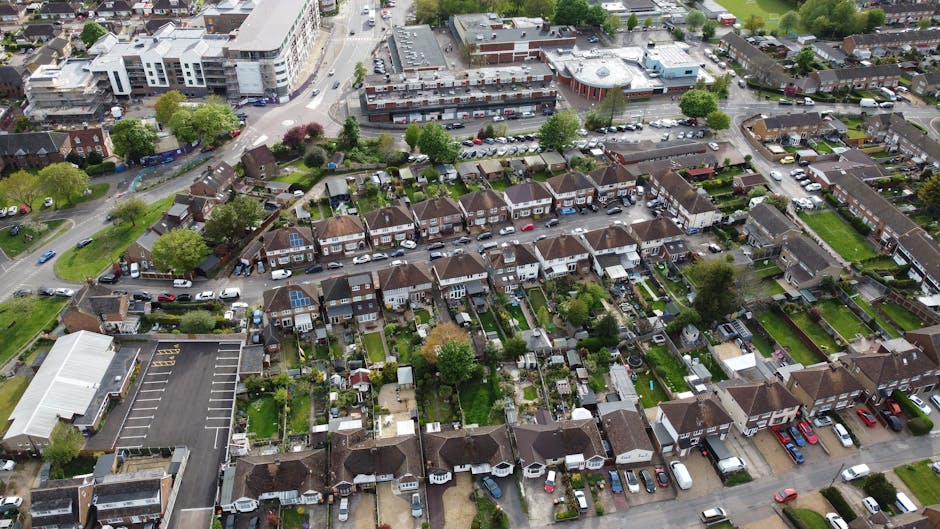
Downsizing and Moves for Balgores Lane Residents RM2
Posted on 22/05/2026
If you live on or near Balgores Lane and you're thinking about moving to a smaller place, you're probably juggling more than boxes. You might be dealing with a lifetime of furniture, a tight schedule, family opinions, and that awkward question of what on earth to keep. Downsizing and Moves for Balgores Lane Residents RM2 is not just about transporting belongings; it's about making sensible decisions, reducing stress, and setting up the next chapter without carrying unnecessary weight.
Done well, a downsizing move can feel strangely freeing. Done badly, it can become a rush of last-minute packing, damaged furniture, and too much stuff arriving at the new place. The good news? A calm, organised approach makes a big difference. In this guide, we'll walk through the practical side of shrinking your footprint, choosing the right moving support, and avoiding the common traps that catch people out. And yes, there's a point where the kettle goes on, you take a breath, and it starts to feel manageable.
Whether you are moving from a family house to a flat, helping a parent relocate, or simply trying to make life easier in a smaller home, the steps below will help you plan properly and keep control of the process.
Why Downsizing and Moves for Balgores Lane Residents RM2 Matters
Downsizing is often seen as a simple space-saving exercise, but for most people it goes much deeper than that. In the RM2 area, homes vary quite a bit: some are full family houses with loft storage and sheds, while others are flats, maisonettes, or smaller properties that need a more considered approach. If you are reducing the size of your home, every item has to earn its place.
That matters because moving too much can make a smaller property feel cramped from day one. People sometimes arrive in their new home with too many bulky items, duplicate kitchenware, or furniture that technically fits but makes the room feel awkward. It sounds minor until you're trying to open a wardrobe door around a dining table. Not ideal.
There is also the emotional side. Downsizing can be tied to retirement, a relationship change, children leaving home, or a desire to simplify life. Those are personal moments, and they deserve a move plan that respects both the practical and emotional load. A good downsizing move gives you space to decide what belongs in the next stage of life, rather than making those decisions under pressure.
For Balgores Lane residents, timing and access can matter too. Local streets, parking considerations, and building access all affect how a move is planned. A well-run removal plan reduces disruption and helps avoid the frustrating "we didn't quite think that through" moment. Truth be told, that happens more often than people admit.
How Downsizing and Moves for Balgores Lane Residents RM2 Works
The process usually works best in three linked stages: sort, plan, then move. It sounds straightforward, but each stage needs attention.
First comes sorting. This is where you decide what to keep, sell, donate, recycle, store, or move on with. A successful downsizing project starts with honest decisions. If you haven't used something in years, or it no longer suits the new property, it may not deserve removal space.
Second comes planning the move itself. Once the volume is reduced, you can assess the right vehicle size, crew requirements, packing materials, and access needs. Smaller moves do not always mean simple moves. A compact flat with stairs, limited parking, or delicate items can still need careful handling. If you need a more flexible transport option, a local man and van service can be a practical fit for lighter, smaller-scale relocations.
Third comes the physical move and setup. At this stage, labels, box grouping, and furniture placement matter more than ever. When you are settling into a smaller home, it helps to know exactly which box contains the day-one essentials, which items should go into storage, and which pieces are not coming in at all. A helpful guide on perfect packing skills can make this stage far less chaotic.
A smaller property also changes the way you handle large household items. For instance, a bed frame, mattress, or sofa may need to be dismantled, protected, or measured carefully before move day. If you are not sure how to approach bigger pieces, it is worth reading about moving beds and mattresses safely and professional furniture removals for the heavier items.
Key Benefits and Practical Advantages
Downsizing properly has a few obvious benefits, and a few quieter ones that only show up later. The obvious one is that you carry less into the move, which usually means less packing, less unloading, and less stress on the day.
But the quieter benefits can be the most valuable.
- Better use of your new space: fewer unnecessary items means rooms feel calmer and easier to live in.
- Lower moving volume: fewer boxes and smaller furniture can reduce time and handling complexity.
- Less unpacking pressure: a pared-back move is easier to settle into because you are not opening boxes you never should have packed in the first place.
- Cleaner start: moving less often means you are less likely to bring dust-heavy or worn-out clutter into the new place.
- Easier storage decisions: items you truly want to keep but not use immediately can be placed in local storage in Gidea Park rather than taking up precious living space.
There's also a financial angle. Fewer items can mean a simpler removal day, less packing material, and possibly a smaller vehicle or shorter loading time. That said, it's wise not to treat downsizing as a race to cut everything. A dining table that no longer fits your new layout may be practical to let go of, but a high-quality chair set or a sentimental chest of drawers could be worth keeping if there's room and purpose for them. In other words, choose with intention, not guilt.
And one more thing: downsizing often improves the feel of the new home from the moment you move in. There's something satisfying about opening a cupboard and not finding three spare kettles and an assortment of mystery cables. Small victory, but still a victory.
Who This Is For and When It Makes Sense
This kind of move is not just for retirees, though they are often the first people who think about it. Balgores Lane residents may consider downsizing for several reasons, and the right approach depends on the situation.
It makes sense if you are:
- moving from a larger home to a smaller house or flat
- combining households and no longer need duplicates of everything
- helping an older relative move to a more manageable property
- reorganising after a life change such as separation or bereavement
- trying to lower long-term upkeep and simplify daily life
- moving for work, study, or convenience and need only the essentials
For students and younger movers, the challenge is often different. The move is smaller, but the storage decisions can be messy. In that case, a service like student removals in Gidea Park may be more suitable than a large full-house move. On the other hand, if you are moving from a larger family home, house removals support in Gidea Park can help with the heavier, more layered logistics.
The important question is not "Should I downsize?" but "What do I actually need in the new place?" That one question clears up a surprising amount.
Step-by-Step Guidance
1. Start with the layout, not the boxes
Before you pack a single item, think about the new property. Measure the rooms if you can. Note awkward corners, narrow hallways, stair turns, and storage options. A sofa that looks fine in the old home may swallow the sitting room in the new one.
A practical trick: sketch the main rooms and mark where large items could go. That simple step can stop you moving furniture that has no real home anymore.
2. Sort belongings into clear categories
Use straightforward groups: keep, sell, donate, recycle, store, and maybe. The "maybe" pile should not become a permanent family member. Set a deadline for decisions and move on.
If you are decluttering first, this guide on strategic decluttering before a move is a useful companion read. It helps you reduce volume without turning the process into an all-day emotional marathon.
3. Protect what you are keeping
Downsizing often means keeping higher-value or better-loved items, so good packing matters. Use sturdy boxes, proper wrapping, and labels that tell you what is in the box and where it should go. If you want a more detailed packing approach, the article on packing for a smoother house move covers the basics well.
For clothes, kitchenware, and books, keep box weights sensible. Nobody enjoys lifting a cardboard cube that feels like a sack of wet bricks. Not fun. Not at all.
4. Decide what stays with you and what goes into storage
Some items are worth keeping but do not need to take up daily living space. That could be seasonal clothes, spare bedding, hobby equipment, or furniture with future use value. If you need short-term flexibility, use storage rather than forcing everything into the new home at once.
Furniture can be the trickiest part. Sofas, wardrobes, and beds need measuring and protecting properly. If a sofa is going into storage for a while, it helps to follow the advice in this sofa storage guidance so it stays in better condition.
5. Confirm the move plan and access details
Once the volume is clear, agree on the route for moving day. Is parking available outside both properties? Are there stairs? Is lift access reliable? Are there any time windows for loading? These are the little things that can either make the day smooth or turn it into a slow shuffle.
If you need a more adaptable option for a smaller property or quick turnaround, a removal van in Gidea Park can suit many downsizing moves. For shorter, more flexible jobs, man with a van services are often worth considering too.
6. Prepare the new home for arrival
Clean surfaces, check storage spaces, and make sure the essentials are easy to reach. If you are moving into a smaller space, unpacking becomes easier when the rooms are already ready for use. A simple pre-move clean can save a great deal of faff later. There is a handy overview in this guide to cleaning before relocating.
7. Unpack in the right order
Start with beds, toiletries, basic kitchen items, chargers, and documents. Leave decorative pieces for later. The first evening in a new home feels better when you can find the kettle, the bedding, and the plug adaptors without an archaeological dig.
Expert Tips for Better Results
Here is where a bit of experience saves time.
- Measure twice, move once. People underestimate this all the time. If the wardrobe will not fit through the landing turn, it is not going to magically improve on moving day.
- Photograph box contents. A quick phone picture of the inside of a box can be more useful than a label alone.
- Keep one essentials box per room. It sounds tidy, and it really does help when you are tired and half the place is still in bubble wrap.
- Protect sentimental items early. Frame photos, letters, ornaments, and heirlooms deserve separate handling, not a last-minute scramble.
- Book the right help for awkward items. Pianos, antiques, and oversized furniture usually need specialist handling. If that applies, consider piano removals in Gidea Park or a team experienced in heavy furniture moves.
A useful habit is to keep a small "decision station" in one room with markers, tape, notes, and bags for donations or recycling. It sounds almost too simple, but it reduces wandering around the house thinking, "Where did I put the tape?"
Another practical tip: talk to the moving team about what matters most to you. If there is a mirror you really do not want scratched or a cabinet that needs special wrapping, say so early. Good removals work is partly physical and partly communication.
Common Mistakes to Avoid
Downsizing mistakes usually look small at first and expensive later. The main ones are easy to spot once you know what to watch for.
- Keeping too much "just in case" stuff: this is the classic. A box of spare cables can turn into five boxes of spare cables before you know it.
- Ignoring room dimensions: if the new place is smaller, the old furniture arrangement may not fit at all.
- Underestimating packing time: packing always takes longer than people expect, especially when sorting comes first.
- Forgetting access challenges: parking restrictions, stairs, and tight entrances matter more than many people think.
- Using poor packing materials: weak boxes and thin tape are a false economy.
- Leaving decluttering too late: if you sort on the night before the move, everything becomes rushed and emotional.
One more thing to avoid: treating every item as if it has equal value. It doesn't. A smaller move works best when you decide what supports your daily life, not what merely fills space. That sounds obvious, but in practice it's where many people slip.
Tools, Resources and Recommendations
You do not need fancy gear to downsize well, but a few simple tools make the whole process smoother.
- Strong marker pens: for room names, category labels, and quick notes.
- Heavy-duty tape: the reliable kind, not the bargain roll that gives up halfway through.
- Uniform box sizes: easier to stack, easier to move, less wobble in the van.
- Furniture blankets or covers: useful for protecting wardrobes, tables, and soft furnishings.
- Bagged packing paper or wrapping material: better than loose newspaper for delicate items.
- Phone camera: for inventory photos, meter readings, and reminders of how things were connected.
For readers who want a more service-led overview, the company's services overview is a good place to compare move types and see which option suits a downsizing project. You can also look at packing and boxes in Gidea Park if you need materials rather than just labour.
If your move involves a large number of furniture pieces or a mix of heavy and delicate items, removal services in Gidea Park may be more appropriate than trying to arrange transport piecemeal.
Law, Compliance, Standards, or Best Practice
Downsizing and moving households in the UK does not usually involve complicated legal paperwork, but there are still sensible standards and responsibilities to keep in mind. For example, if you live in a managed building or a flat, you may need to follow building rules on lift use, loading bays, noise, and parking. These are often set by the landlord, managing agent, or residents' association rather than by a national rule, so it is worth checking early.
Health and safety also matters. Heavy lifting should be carried out carefully, and awkward items should be handled with proper technique and suitable equipment. Reputable movers follow safe working practices and use protective methods to reduce the chance of damage or injury. If that topic matters to you, the company's health and safety policy and insurance and safety information are useful references.
When comparing services, it is also sensible to look at payment clarity, terms, and complaint handling. You do not need to memorise every policy, of course, but you do want to know where you stand. A trustworthy provider should be open about pricing and quotes, as well as terms and conditions and complaints procedures.
For sustainability-minded movers, it can help to think about reuse and recycling before the van arrives. Items that are no longer needed may be suitable for donation or responsible disposal. If that matters to you, the company's recycling and sustainability page is worth a look.
Options, Methods, or Comparison Table
There is no single best downsizing method. The right choice depends on how much you own, how quickly you need to move, and how much lifting or planning you want to manage yourself.
| Approach | Best For | Pros | Trade-Offs |
|---|---|---|---|
| Full service removals | Larger downsizing moves with furniture and mixed item types | Less stress, more handling support, better for awkward items | Usually costs more than a simple van-only move |
| Man and van | Smaller homes, lighter loads, flexible schedules | Flexible, practical, often well-suited to local moves | May require more packing and sorting from you |
| Self-managed move | Very small moves with minimal furniture | Maximum control, useful for tight budgets | More work, more risk of fatigue and poor handling |
| Move plus storage | Downsizers who are not ready to part with everything | Gives breathing room and avoids rushed decisions | Requires extra planning and ongoing storage costs |
If you are moving within the area and want something straightforward, local options such as removals in Gidea Park or even same-day removals can make sense for urgent situations. For especially compact homes, flat removals in Gidea Park can be a better fit than a generic house move setup.
Case Study or Real-World Example
Here's a realistic example. A couple moving from a three-bedroom home near Balgores Lane into a two-bedroom flat had a simple aim: keep the things they actually use, and stop carrying around a storage unit's worth of extras. They began six weeks ahead of moving day, which made a big difference.
First, they measured the new flat and realised the old corner sofa would dominate the living room. That sofa was comfortable, but far too large. They sold it and kept a smaller two-seater instead. They also found three sets of dinnerware, two vacuum cleaners, and enough spare bedding to dress a hotel. Fair enough, but not all of it needed to move.
They then divided the home into zones: kitchen, living room, bedrooms, loft, and garage. Each zone had a keep/sell/donate pile. This stopped the process from becoming overwhelming. By week four, the bulky items were mostly decided, and by week five they had booked transport, bought packing supplies, and arranged storage for a few seasonal items.
On moving day, the van was loaded faster than expected because the volume had already been reduced. The unpacking process was calmer too. The new flat felt open rather than packed tight. That made the first evening much nicer, with the smell of fresh paint, boxes stacked neatly in corners, and a proper cup of tea before the chaos resumed. Honestly, that small calm moment matters more than people expect.
Practical Checklist
Use this checklist to stay on track.
- Measure the new property and identify space limits
- Sort belongings into keep, sell, donate, recycle, store, and maybe
- Decide what furniture is worth taking to a smaller home
- Book packing materials early
- Label boxes clearly by room and priority
- Set aside documents, keys, chargers, and medications
- Confirm parking, access, and lift arrangements
- Arrange storage for items you want to keep but not display
- Protect delicate or high-value items separately
- Prepare the new property before move-in day
- Keep a first-night essentials box easy to reach
- Review service details, terms, and insurance before booking
Expert summary: Downsizing works best when you treat it as a planning project, not a rushed clearance job. The more you decide in advance, the less you pay for in time, stress, and wasted space.
Conclusion
Downsizing and Moves for Balgores Lane Residents RM2 is really about making a smaller move feel bigger in the right ways: more organised, more efficient, and more suited to the life you want next. When you measure properly, declutter honestly, pack with care, and choose the right support, the move becomes far more manageable. Not effortless, perhaps, but manageable. And that's the real goal.
If you are preparing for a move in or around Balgores Lane, take the time to reduce the load before the van arrives. It is one of those decisions that pays you back twice: once on moving day, and again every time you walk into a room that finally feels right.
Get a free quote today and see how much you can save.