Havering Council permits for Gidea Park house moves
Posted on 26/06/2026
Havering Council permits for Gidea Park house moves: what you need to know before moving day
If you are planning a move in Gidea Park, there is one small detail that can make the whole day go smoothly or turn it into a last-minute scramble: Havering Council permits for Gidea Park house moves. In practice, that usually means checking whether your moving van needs parking permission, dispensation, or a loading arrangement, and making sure access is sorted before the first box leaves the hallway. Simple enough in theory. On a narrow residential road at 8am, not so simple.
This guide explains how the permit side of a house move works, why it matters, who typically needs it, and how to plan your move so you are not caught out by parking restrictions, loading issues, or avoidable delays. You will also find a practical checklist, a comparison table, and a few real-world tips from the kind of move-day situations that crop up in Gidea Park more often than people expect.
Why Havering Council permits for Gidea Park house moves Matters
Moving house is already a juggling act. Add parking controls, time restrictions, and a van that needs to sit close to the property, and the pressure rises quickly. That is why Havering Council permits for Gidea Park house moves matter: they help you avoid parking fines, reduce loading stress, and keep the move on schedule.
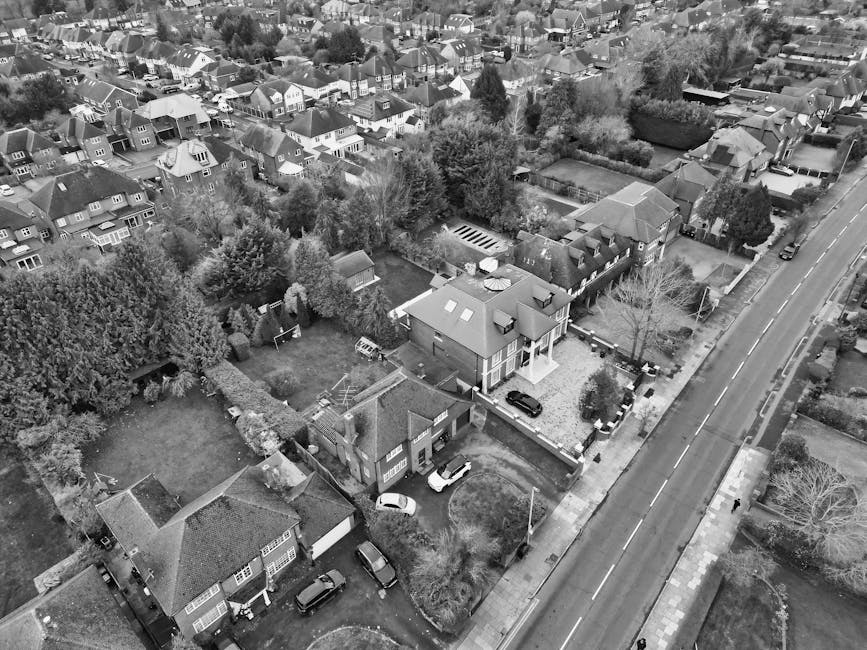
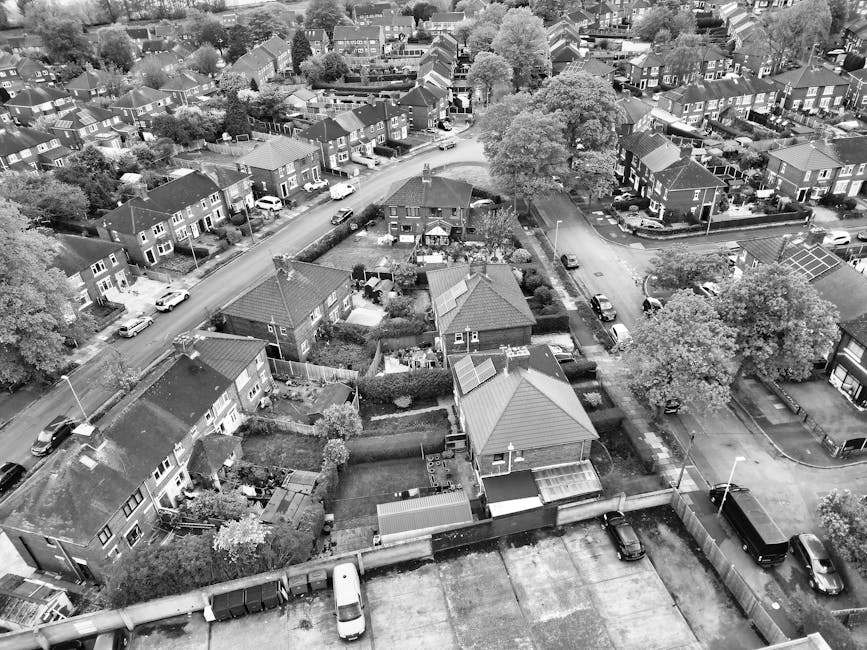
Gidea Park has plenty of streets where access is manageable only if you plan properly. Some homes have tight frontages, some sit on busier through roads, and some look easy from the pavement but become awkward the moment a large vehicle tries to stop. If you have ever watched a crew carry a sofa a longer distance than expected, you will know how quickly time disappears. A few extra minutes of planning can save an entire afternoon of faff.
It is also about courtesy. Neighbours, residents, and other road users all feel the effect of a poorly planned move. A van parked across a dropped kerb or loading bay without the right permission can create friction very fast. Nobody enjoys that. Not on moving day, not ever.
For many households, the permit question is less about bureaucracy and more about practical control. If you know your parking position, likely loading point, and timing window, you can coordinate packing, keys, lift access, and arrival times with far less stress. For broader moving preparation, you may also find it helpful to review efficient moving without the stress and a moving checklist for Gidea Park homes on Main Road.
How Havering Council permits for Gidea Park house moves Works
In plain English, a moving permit or parking dispensation is usually the temporary approval that allows a removal vehicle to stop, load, or unload in a place where parking would otherwise be restricted. The exact arrangement depends on the street, the restriction type, the vehicle, and the timing.
You should think of it as a planning step, not a decorative extra. If your move involves yellow lines, resident-only bays, loading restrictions, controlled parking zones, or limited waiting rules, the van may need a specific arrangement to legally stop near the property. In some cases, the move may be possible without a formal permit if parking is straightforward and unrestricted. In others, the permit is the difference between a smooth move and a very expensive lesson.
House moves often need one of the following:
- A temporary parking permit or dispensation for the removal vehicle
- Loading permission if the vehicle must stop in a restricted area for a short period
- Alternative parking planning if the road allows legal loading only in a nearby bay or wider section
- Time-based coordination to fit around local restrictions, school traffic, or commuter peaks
The important thing is not to guess. Even if a neighbour says, "people always park there on moving day," that is not the same as permission. Helpful neighbour, dubious legal advice. We have all met that person.
If your move involves specialist items or larger furniture, access matters even more. Heavy or awkward pieces can take longer to carry, which makes parking proximity crucial. For example, if you are moving a dining set, wardrobes, or a bulky sofa, see furniture removals in Gidea Park and innovative ways to move your bed and mattress for practical packing and handling ideas.
Key Benefits and Practical Advantages
There is a reason experienced movers take parking and permissions seriously. The benefits are very real, and on a tight schedule they become obvious fast.
- Less risk of fines - a correctly planned stop reduces the chance of penalty notices or enforcement issues.
- Faster loading and unloading - shorter carry distances make the job simpler and quicker.
- Lower risk of damage - fewer long carries mean fewer opportunities for knocks, scrapes, or drops.
- Less disruption to neighbours - sensible parking keeps access clearer for everyone else on the street.
- Better timing control - the crew can work to a proper plan rather than improvising on the pavement.
- Reduced physical strain - carrying bulky items from far away is exhausting, and truth be told, avoidable in many cases.
There is also a psychological benefit that people underestimate. When the van is where it should be, the team knows what it is doing, and the access route has already been thought through, the whole move feels calmer. Not magically easy, just calmer. That matters a lot when the kettle is in a box somewhere and everyone is slightly on edge.
To improve packing and preparation alongside parking planning, take a look at making your house move a breeze with perfect packing skills and packing and boxes in Gidea Park.
Who This Is For and When It Makes Sense
This topic is most relevant if you are moving from or into a property where parking is not simply "turn up and stop." In Gidea Park, that often includes terraces, homes on busier roads, flats with shared access, and streets where residential bays or controlled parking rules apply.
You are more likely to need a permit or dispensation if:
- your road has yellow lines or time-restricted parking;
- the property is on a narrow street with limited stopping space;
- your removal van is larger than a standard car-derived vehicle;
- the move involves several loads or a long unloading window;
- you need to park close to a flat, upper-floor property, or long driveway access point;
- you are moving at a busy time of day and need a legal, predictable stop.
Students, first-time movers, downsizers, families, and anyone arranging a same-day move can all run into the same parking headache. If your timetable is tight, planning becomes even more important. See same-day removals in Gidea Park and student removals in Gidea Park if your move is happening quickly or on a smaller budget.
One small but useful observation: people often only think about permits for the removal van, but the parking plan should also account for your own vehicle, the estate agent, cleaners, or family helping on the day. A driveway full of cars can turn the best-laid plan into a silly little bottleneck.
Step-by-Step Guidance
Here is the simplest way to approach Havering Council permits for Gidea Park house moves without turning the whole thing into a paperwork marathon.
- Check the street conditions first. Look at whether the road has bays, yellow lines, resident permits, loading restrictions, or limited waiting signs. If the kerbside looks tricky, assume you need to investigate properly.
- Map the van's position. Decide where the vehicle should stop, where boxes will be carried from, and whether there is space for doors, trolleys, and a safe walking route.
- Confirm the move time. Morning school runs, rush hour, and refuse collection can all complicate things. A quiet mid-morning slot may be much easier than a busy start time.
- Assess vehicle size. A smaller van may fit more easily, but if you have large furniture or multiple rooms to clear, it may be false economy to under-size the vehicle.
- Plan for loading time. Loading is not instant. It sounds obvious, but people still underestimate it. If you have stairs, fragile items, or awkward access, add a buffer.
- Arrange the permission or dispensation in advance. Do not leave it until the night before. If anything needs checking, you want time to fix it calmly.
- Brief everyone involved. Make sure family members, movers, and anyone assisting know where to park, what time to arrive, and which entrance to use.
- Keep proof and instructions ready. If any permit or arrangement has been issued, keep the details to hand on moving day.
For planning support beyond the parking side, it helps to declutter early. Fewer items mean fewer trips, less carry time, and less pressure on access arrangements. That is where strategic decluttering before a move really earns its keep.
Expert Tips for Better Results
After a lot of move-day problem solving, a few things stand out again and again.
1. Treat parking like part of the move, not a side issue. People often focus on boxes, labels, and bubble wrap, then leave the road access question to the end. That is backwards. The van's position affects every carry, every pause, and every bit of lifting.
2. Walk the route from van to front door. It sounds almost too simple, but it helps you spot trip hazards, low branches, narrow gates, and awkward door swings. Sometimes the best loading point is not the nearest one.
3. Use the right team for awkward items. A piano, a tall wardrobe, or a heavy freezer can change the whole access plan. If the item needs specialist handling, ask early. You can read more in the peace of mind in hiring skilled piano relocation experts and piano removals in Gidea Park.
4. Keep the weather in mind. A wet pavement, icy step, or muddy side path can slow everything down. A permit solves the parking problem, but not the weather, obviously.
5. Factor in sorting and disposal. If you are leaving behind bulky items or household waste, clear them before moving day so they do not eat into loading time. For local ideas, see bulky waste removal options in Gidea Park RM2.
One more thing: if your home is packed to the rafters, parking delays feel much worse than they are. A tidy, well-labelled move absorbs small setbacks better. The room just breathes differently, if that makes sense.

Common Mistakes to Avoid
Most permit-related problems are not dramatic legal failures. They are ordinary oversights. The kind that happen because moving day is busy and everyone is thinking about ten things at once.
- Leaving parking planning too late. This is probably the biggest one.
- Assuming a space will be available. In real life, it often will not be.
- Forgetting about loading time. A short stop can become a long one if you have stairs, large furniture, or multiple floors.
- Ignoring signs and markings. This seems obvious, but people do it when they are rushed.
- Underestimating the size of the vehicle. A van that is too small means more trips and more time on street.
- Not checking both ends of the move. Departure street and destination street can both create problems.
- Failing to coordinate helpers. If everyone arrives at different times, the loading plan falls apart.
A related mistake is not preparing the property itself. Dirty hallways, cluttered landings, and unpacked loose items slow the move down. If you want the home ready in a more practical sense, cleaning before relocating is a good place to start.
And yes, somebody always says, "We'll just wing it." That phrase has caused more moving-day stress than bad weather and missing keys combined.
Tools, Resources and Recommendations
You do not need a suitcase full of specialist gear to manage a permit-based house move well. But a few practical tools make a big difference.
- Printed move plan - useful if phones are low on battery or signal is patchy.
- Box labels and coloured tape - helps speed up unloading when the van finally lands.
- Measuring tape - worth using for doorways, hall spaces, and large furniture.
- Floor protection - especially helpful if loading routes pass through freshly cleaned rooms.
- Basic toolkit - for beds, shelves, curtain rails, and last-minute dismantling.
- Phone photos of access points - useful if you are coordinating with a mover before the day.
For more preparation ideas, it is worth looking at perfect packing skills and efficient moving without the stress. They fit neatly alongside permit planning because better packing usually means faster loading, which in turn reduces your parking pressure.
If you are comparing moving help, browse the broader services overview and removal services in Gidea Park to match the job to the access conditions. If you need a van-only solution, a removal van in Gidea Park may be the most suitable option.
Law, Compliance, Standards, or Best Practice
Because parking on public roads is involved, this topic sits close to local parking rules, traffic enforcement, and moving-day safety. You do not need to be a legal expert, but you do need to respect the signs, restrictions, and any conditions attached to parking permissions or loading arrangements.
Good practice usually means:
- checking restrictions well before the move;
- keeping to the permitted time window;
- making sure the vehicle does not block access or create a hazard;
- using sensible loading methods and safe lifting practice;
- keeping documentation or confirmation available if a parking arrangement has been granted;
- working within any local conditions that apply to your street.
Safety is part of compliance too. A move that looks tidy but causes a trip hazard, a blocked pavement, or an unsafe carry route is not well handled. In the removals trade, a lot of good practice comes down to planning, communication, and not rushing the awkward parts. That is where health and safety policy and insurance and safety become relevant in a very practical way.
If a move involves wet weather, heavy items, or a longer carry from the van, lifting technique matters too. Good teams use controlled movements, not heroics. For a slightly left-field but oddly relevant read, there is also kinetic lifting and advanced fitness, which is less about removals and more about the mechanics of safe lifting. A bit niche, but the body does not care whether the weight is a gym plate or a washing machine.
Options, Methods, or Comparison Table
There is no single best way to handle move-day parking. The right choice depends on the street, the property, and how much needs moving. Here is a simple comparison to help you judge the options.
| Method | Best for | Pros | Watch-outs |
|---|---|---|---|
| Formal permit or dispensation | Restricted roads, timed bays, controlled parking areas | Clearer legal standing, better access control, less risk of fines | Needs advance planning and correct details |
| Nearby legal loading space | Streets with a suitable loading bay or wide curbside area | Often simpler and quicker if available | May be farther from the front door than you expect |
| Smaller vehicle plus multiple trips | Smaller flats, lighter loads, limited road access | Easier to position in tight roads | More trips, more labour, more time |
| Pre-arranged professional move plan | Busy households, larger furniture, tighter schedules | Less stress, better coordination, fewer surprises | Needs accurate information from the start |
In many Gidea Park moves, the best answer is a combination: correct parking planning, sensible vehicle choice, and careful packing. Not glamorous. Very effective.
If you are deciding between moving support options, it may help to compare man with a van in Gidea Park, man and van in Gidea Park, and a fuller house removals service in Gidea Park. The right fit often depends on how awkward the access really is.
Case Study or Real-World Example
Here is a realistic example from the sort of move that comes up all the time.
A family in a Gidea Park terrace planned to move on a Saturday morning. At first glance, the street seemed manageable. But once they checked properly, they realised the road filled up quickly with resident parking and there was limited stopping space near the front door. The property itself had a narrow hallway, a staircase with a tight turn, and a sofa that looked harmless until it had to go around the corner.
Instead of hoping for the best, they planned the van position first and reduced the load in advance. They also had boxes stacked and labelled before the vehicle arrived. The result? Fewer trips, less backtracking, and a much calmer unload. One awkward moment with a wardrobe, sure, but nothing dramatic. By early afternoon the keys were handed over, and the team could breathe again.
That same kind of planning also helps if you are downsizing. When fewer items need to travel, your parking window becomes easier to manage. For that scenario, see downsizing and moves for Balgores Lane residents RM2. If you are dealing with routes and timing near the station, top moving routes from Gidea Park Station to Romford can also offer useful local context.
The main lesson is straightforward: the permit or parking plan is not a side note. It is part of the move itself.
Practical Checklist
Use this checklist a few days before moving day. Print it, scribble on it, stick it to the fridge. Whatever works.
- Confirm whether the departure street has parking restrictions.
- Check the destination street too; do not assume it is easier.
- Decide where the removal vehicle will stop.
- Measure tight doorways, hall bends, and stair turns.
- Book or arrange any required parking permission in good time.
- Label boxes by room and priority.
- Set aside tools, keys, chargers, and important papers.
- Clear bulky waste before the move if possible.
- Keep access routes free from bins, scooters, plant pots, and loose clutter.
- Tell helpers where to park and what time to arrive.
- Prepare rain covers or floor protection if the weather looks grim.
- Keep one bag for essentials: kettle stuff, toiletries, medication, snacks, and charger cables.
If you need storage before or after the move, especially when timings do not line up neatly, it can also be worth looking at storage in Gidea Park and smart strategies for storing your freezer while unused.
Get a free quote today and see how much you can save.
Conclusion
Havering Council permits for Gidea Park house moves are not just an admin box to tick. They are part of moving safely, legally, and with far less stress. When the van can stop in the right place, the loading route is clear, and the timing has been thought through, the whole move feels more controlled. Less chaos, fewer surprises.
That does not mean every move needs a complicated permit strategy. Sometimes the answer is simple. Sometimes it is a formal parking arrangement. The key is to check early, plan the access properly, and match the moving method to the street rather than pretending every road works the same way. It rarely does.
And if the day gets a bit messy? That happens. A moving day is a moving day. But with the parking side handled well, you have already removed one of the biggest sources of stress. That's a win before the first box is even down.