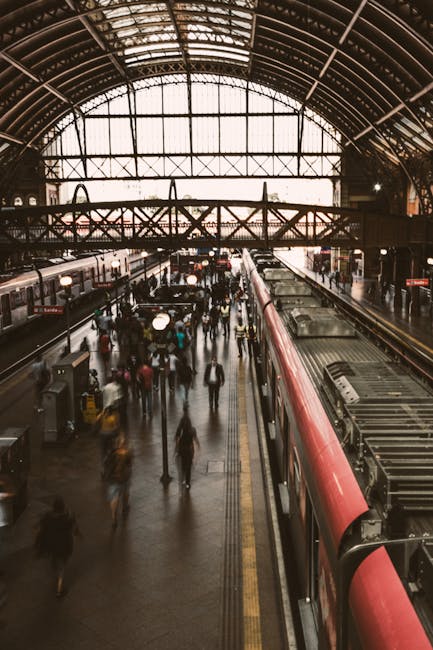
Top moving routes from Gidea Park Station to Romford
Posted on 14/05/2026
If you are planning a move between Gidea Park Station and Romford, the route you choose can make a real difference to timing, stress levels, and how smoothly your furniture arrives. This is not just about getting from A to B. It is about choosing the best moving route for your property type, your load, the time of day, and the realities of local roads in east London. In this guide, we break down the top moving routes from Gidea Park Station to Romford, what matters on each option, and how to plan the move properly so you are not left juggling boxes in traffic or rushing around the station area at the worst possible moment.
Whether you are moving a flat, a family home, student belongings, or just a few large items, this article will help you think more clearly about route choice, loading access, and the practical details that often get overlooked. Truth be told, those details are usually what separate a smooth move from a slightly chaotic one.
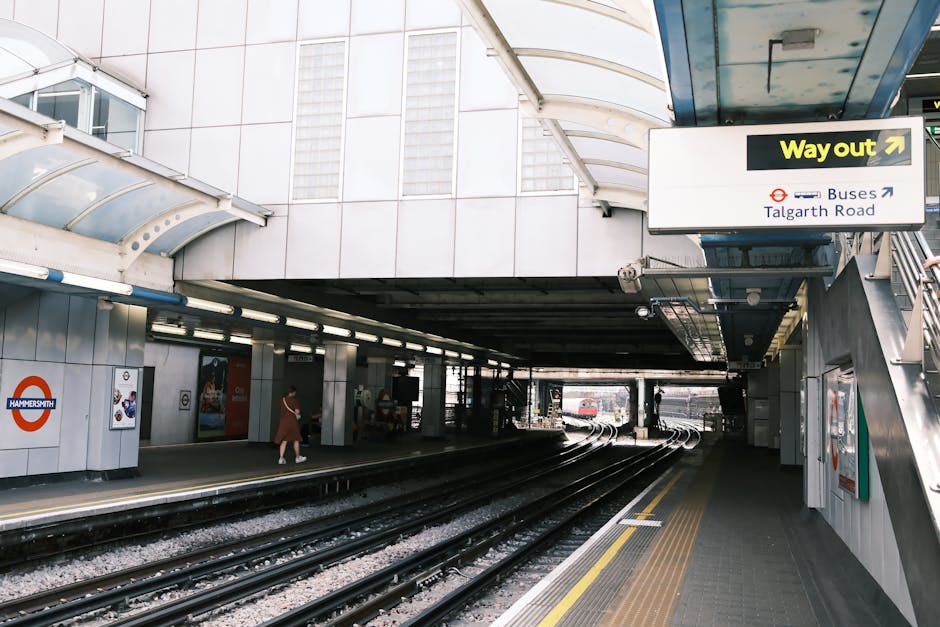
Why Top moving routes from Gidea Park Station to Romford Matters
At first glance, the journey from Gidea Park Station to Romford looks straightforward. It is a short local transfer, not a cross-country haul. But anyone who has actually moved through this area knows the difference between a simple-looking route and a genuinely workable moving route. Side roads can be tighter than expected, station approaches can get busy quickly, and a van parked badly for ten minutes can create more stress than you would think.
Choosing the right route matters because moving day is rarely just about driving. You are managing timing, access, neighbours, parking, heavy lifting, and the small but annoying delays that pile up if the route is not planned properly. If you are using a man with a van in Gidea Park, route choice can also affect how efficiently the load is handled and whether the vehicle can stop close enough for quick loading.
There is also a cost angle. The shorter and cleaner the movement between pickup and drop-off, the more likely you are to keep the job efficient. Less time sitting in traffic. Less double-handling. Less chance of damage. That is good for the mover, but it is just as good for you.
Expert summary: The best moving route is not always the shortest route on a map. It is the route that balances access, timing, parking, traffic flow, and the size of your move.
For many local moves, especially those involving flats or compact houses, the real win comes from treating the route as part of the move plan, not an afterthought.
How Top moving routes from Gidea Park Station to Romford Works
The route planning process starts with a simple question: what are you moving, and at what time? That alone can change the advice. A small student move at 10 a.m. is very different from a house move with bulky furniture at school-run time or during evening traffic. The route from Gidea Park Station to Romford can be affected by local congestion, roadworks, parking availability, and how easy it is to reach the property from the road.
In practical terms, most moving journeys in this corridor fall into one of three route styles:
- Direct local route: best for small loads and quick point-to-point transfers.
- Access-first route: slightly longer, but chosen because it allows better stopping space, easier loading, or safer turning.
- Timing-led route: selected to avoid peak congestion, school traffic, or busy station periods.
In our experience, the access-first route is often the smartest choice for full or partial house moves. A van that can park sensibly near your door saves more time than a theoretically shorter route that leaves you circling the block. That sounds obvious, but under pressure people forget it. Happens all the time.
If your move includes large furniture, consider the internal route as well. For example, a sofa may be easy to remove from a ground-floor property but much trickier from a top-floor flat with a narrow landing. For planning those awkward items, it can help to read about moving beds and mattresses safely and the practical side of furniture removals in Gidea Park.
Route planning is also tied to load size. A small van can often handle tighter streets more easily, while a larger removal vehicle may need a more spacious approach. This is where proper local judgment matters, not just a satnav route.
Key Benefits and Practical Advantages
The biggest benefit of choosing the right moving route is predictability. You want to know, as closely as possible, how long the transfer will take and where the difficult bits are likely to appear. That gives you control over the rest of the move.
- Faster loading and unloading: a well-chosen route helps the van get close to the property with fewer wasted steps.
- Lower risk of damage: less carrying distance usually means fewer chances for knocks, scrapes, or drops.
- Reduced stress: fewer unknowns means less last-minute scrambling.
- Better timing: you can align the route with access windows, building rules, or keys collection.
- More efficient pricing: efficient route choice can support cleaner, more transparent move planning, especially when you request pricing and quotes in advance.
There is also a human benefit that people underestimate. A calmer route means a calmer move. That matters when you are already dealing with labels, phone chargers, keys, and the one box nobody seems to remember packing. Moving is a strange sort of day. Everything is ordinary until suddenly it is not.
Another practical advantage is that route planning helps you decide whether you need extra support. For instance, if the move involves a flat without easy lift access, you may want to look at flat removals in Gidea Park rather than trying to improvise on the day.
Who This Is For and When It Makes Sense
This topic is relevant to more people than you might expect. It is not only for full household moves. The best moving routes from Gidea Park Station to Romford can help anyone making a local relocation, from students to small businesses and families with a few bulky items.
It is especially useful if you are:
- moving between rented properties in the Gidea Park and Romford area
- organising a student move with limited time and a small load
- relocating from a flat where parking access is tight
- moving office equipment, archive boxes, or light commercial stock
- transferring furniture, appliances, or fragile items over a short distance
- booking a same-day job where efficiency matters more than anything else
For students in particular, a simple route with a reliable pickup point can make a big difference. If you are packing on a deadline, the last thing you want is to be standing at the kerb with a lamp, two suitcases, and a box of books while the van struggles to stop. If that sounds familiar, student removals in Gidea Park can be a sensible option.
It also makes sense if you are doing a short-notice move. The area sees plenty of last-minute booking behaviour, and a route that is easy to execute can reduce the pressure. That is where same-day removals in Gidea Park become useful, provided the logistics are thought through early enough.
Step-by-Step Guidance
If you want the move from Gidea Park Station to Romford to go smoothly, here is the practical sequence to follow.
- Confirm both addresses and access points. Check the exact entrance, loading side, and whether stairs, gates, or narrow halls will affect the move.
- Estimate the load properly. A few boxes is one thing. A fridge, wardrobe, and bed base is another. Be honest here. It helps everyone.
- Choose the route based on access, not just distance. The shortest route may not be the best route if parking or turning is awkward.
- Check the time of day. Traffic around station areas and town-centre approaches can vary a lot, especially during commuting hours.
- Prepare the property before the van arrives. Clear hallways, protect floors where needed, and make sure boxes are labelled. A good packing approach saves time later.
- Set aside fragile or valuable items. Keep essentials, documents, chargers, and valuables with you.
- Load in a sensible order. Heavy and sturdy items first, fragile items last. It sounds basic because it is. Basic is good.
- Do a final walk-through. Check cupboards, sockets, loft spaces, and under beds before leaving.
A small but important detail: if you are moving anything awkward, such as a piano, freezer, or oversized sofa, mention it before the day. The route may still be the same, but the handling plan will change. For specialised items, the guides on piano removals and storing a freezer while unused can be surprisingly handy.
And yes, decluttering first helps more than people expect. You really do not want to pay to move three broken chairs and a mystery box labelled "misc." Read more on strategic decluttering before a move.
Expert Tips for Better Results
Route planning gets much easier when you approach it like a logistics problem rather than a guess. A few field-tested habits make a big difference.
1. Avoid relying on a single map view
Online maps are useful, but they do not always reflect local loading realities. A road might look fine on-screen and still be a pain if there is nowhere to stop safely. If you can, think one step ahead: where does the van park, how far is the carry, and can the driver turn out without fuss?
2. Keep the moving window flexible
If you can choose your collection time, a little flexibility can help you dodge the busiest periods. Even a 30-minute shift can improve things. Not always, but often enough to matter.
3. Protect the items that suffer most in transit
Mattresses, soft furnishings, and delicate furniture should be wrapped properly. The journey may be short, but short routes still cause scuffs when items are not secured. For larger soft items, see sofa storage and care guidance and the local service page for house removals in Gidea Park.
4. Label by destination room
Room labels may sound boring, but they speed up unloading dramatically. Kitchen, bedroom, office, hall. Simple and clear. Your future self will thank you around 6 p.m. when the kettle is still somewhere in a box.
5. Keep one person focused on the handover
If possible, have one person who knows the plan and can answer the driver's questions. That avoids confusion, especially if the route or entry point needs a quick adjustment.
A small human note here: the most successful local moves I have seen are usually not the flashiest ones. They are the calm, organised ones where somebody packed early, measured the bulky items, and left the route planning to common sense rather than optimism. Optimism is lovely. It is just not a loading plan.
Common Mistakes to Avoid
Most moving day issues are preventable. The annoying part is that they are often preventable in ways that feel obvious only after the fact.
- Choosing the route only by distance: a slightly longer route with easier access can save a lot of time.
- Ignoring parking restrictions: a legal stop point is just as important as the road itself.
- Underestimating loading time: one awkward wardrobe can change the whole schedule.
- Packing too late: rushed packing leads to broken items and slower unloading.
- Forgetting building rules or access times: some flats and managed properties have tighter move windows than you might expect.
- Not checking item dimensions: a sofa that fits in a room may still be awkward on the stairs.
A lesser-known mistake is failing to think about the destination, not just the departure point. Romford arrival streets, parking spaces, and property access can be just as important as the Gidea Park side. If the destination is an office, for example, you may want a more structured service such as office removals in Gidea Park or a broader removal services overview.
Another easy trap: assuming you will have time to tidy, sort, and load all at once. You probably will not. The better approach is to prep in advance and leave the move day for movement, not organising drawers and arguing over tape.
Tools, Resources and Recommendations
You do not need a warehouse full of gear, but the right tools make local moving far less painful. The basics matter.
- Strong boxes in mixed sizes: small for books, medium for general household items, large only for light items.
- Packing tape and a proper dispenser: faster, neater, less fiddly.
- Bubble wrap or paper wrap: useful for glass, lamps, and fragile kitchenware.
- Furniture blankets and covers: especially helpful for sofas, tables, and wardrobes.
- Trolley or sack truck: a small piece of kit that saves a lot of strain.
- Label stickers and marker pens: simple, cheap, and absolutely worth it.
If you need a stronger packing setup, take a look at packing and boxes in Gidea Park. And if your move is being coordinated as part of a larger service package, a suitable removal van in Gidea Park can be an important part of the plan.
For people who prefer a less hands-on approach, it can also make sense to ask about support with removals in Gidea Park rather than trying to manage every detail alone. Not every move needs the same level of labour, and that is fine.
Law, Compliance, Standards, or Best Practice
For a local move like this, the main compliance issues are usually practical rather than complicated. You want to make sure the vehicle is parked legally, the load is secured safely, and the move does not create unnecessary obstruction or risk for pedestrians, neighbours, or station users.
Good moving practice in the UK generally means the following:
- loading items safely so they do not shift in transit
- using appropriate lifting techniques and team handling for bulky items
- respecting private property rules, access restrictions, and any building management instructions
- checking insurance cover where needed for goods in transit or handling risks
- staying mindful of vulnerable items, shared entrances, and communal areas
If you are arranging a move with a provider, it is sensible to ask about insurance and safety, and to review their published health and safety policy. That is not being overly cautious. It is simply good practice.
You may also want to understand payment handling and booking terms in advance. Clear expectations reduce awkwardness on the day, especially if the route or access changes slightly. For that, the pages on payment and security and terms and conditions are worth a look.
One more thing: if you are making decisions about what to keep, move, store, or recycle, a provider's recycling and sustainability approach can be a helpful signal, especially during a decluttering-heavy move.
Options, Methods, or Comparison Table
Different moving methods suit different situations. Here is a simple comparison to help you decide what fits your route and load best.
| Method | Best for | Pros | Trade-offs |
|---|---|---|---|
| Direct short route with man and van | Small to medium local moves | Quick, flexible, often cost-effective | May need careful parking and timing |
| Access-first route with wider approach roads | Bulky furniture or awkward properties | Easier loading, safer handling, smoother turnaround | Can take slightly longer in the vehicle |
| Same-day planned route | Urgent or short-notice removals | Fast response, less waiting | Less room for changes if access is unclear |
| Full removals service | Households with multiple rooms or heavy items | More hands, better structure, less personal lifting | Usually needs more detailed planning |
If you are still deciding which method to use, a broader look at removal companies in Gidea Park or the main services overview can help you compare support levels before booking.
Case Study or Real-World Example
Here is a realistic local example. A tenant moving from near Gidea Park Station to a property in Romford had a simple brief: one bedroom, a desk, a bed frame, several boxes, and a small sofa. On paper, it looked quick. In practice, the main challenge was not the distance. It was access.
The original idea was to use the shortest route possible and stop right outside the building. That turned out to be unrealistic because of nearby parking pressure and a narrow loading window. A slightly different route was chosen instead, one that gave the van a better stopping position and reduced the carry distance into the flat. The move itself became easier, faster, and less stressful. No drama, no rushed pivoting on the pavement, and no panic about blocking traffic for too long.
What made the difference? Three things:
- they confirmed access details in advance
- they packed the essentials separately
- they accepted that the best route was the one that actually worked on the day
That last point matters. People often get stuck on theoretical efficiency. But in moving, the route that saves your back, your time, and your patience is usually the real winner.
For similar moves, the most useful support often comes from practical preparation: stress-free moving advice, careful packing, and a proper plan for any heavy or awkward furniture.
Practical Checklist
Use this checklist before move day. It is simple, but it covers the essentials.
- Confirm both addresses and any exact loading points
- Check whether the property has stairs, lifts, or access codes
- Measure bulky items before booking the vehicle
- Choose a route that supports safe parking and easy loading
- Pack fragile items separately and label them clearly
- Keep documents, keys, and chargers with you
- Use protective covers for sofas, mattresses, and furniture
- Tell the mover about any special items such as pianos or appliances
- Review insurance and safety information if needed
- Do a final sweep of cupboards, drawers, and storage spaces
If you are storing items before or after the move, it may also help to look at storage options in Gidea Park. That can be especially useful when completion dates shift or you need breathing room between addresses.
Conclusion
The top moving routes from Gidea Park Station to Romford are not just about speed. They are about making the move manageable in real life, where parking, access, timing, and the size of your furniture matter as much as the road itself. A good route saves time, reduces stress, and helps you avoid the little mishaps that can turn a local move into a long day.
If you take one thing away, let it be this: plan the route around the move, not the move around the route. Once you do that, everything else tends to fall into place more easily. A bit less noise, a bit less rushing, and a much better chance of getting the job done properly.
Get a free quote today and see how much you can save.
And if you are still at the thinking stage, that is fine too. A calm, well-planned local move is usually the one that starts with a good route and ends with the kettle boiled first.