Parking and loading challenges for Gidea Park moves
Posted on 18/06/2026
Anyone who has tried to move a house, flat, or office in Gidea Park knows the same thing very quickly: the van is only half the battle. The other half is finding a sensible place to stop, load, and get out again without blocking a road, upsetting a neighbour, or losing precious time. Parking and loading challenges for Gidea Park moves can turn a neat moving plan into a stressful morning if they are not thought through properly.
That does not mean the move is doomed. Far from it. With the right timing, a little local awareness, and a few practical decisions made before moving day, you can keep the process calm and efficient. In this guide, we'll look at what makes parking tricky in Gidea Park, how loading works in real life, and what you can do to avoid the common snags that catch people out.
For a smoother move overall, it can also help to pair this planning with good preparation elsewhere, such as strategic decluttering before moving day and better packing skills for a faster load. Those small details make a bigger difference than people expect. Truth be told, they often save the most time.
Why Parking and loading challenges for Gidea Park moves Matters
Parking sounds like a minor detail until you are in the middle of carrying a wardrobe, a mattress, or six heavy boxes from a front door to a van that cannot get close enough. Then it becomes the whole story. In moving work, access affects time, labour, safety, and cost. A short carry from property to vehicle is usually faster, safer, and less tiring than repeated long walks with awkward items.
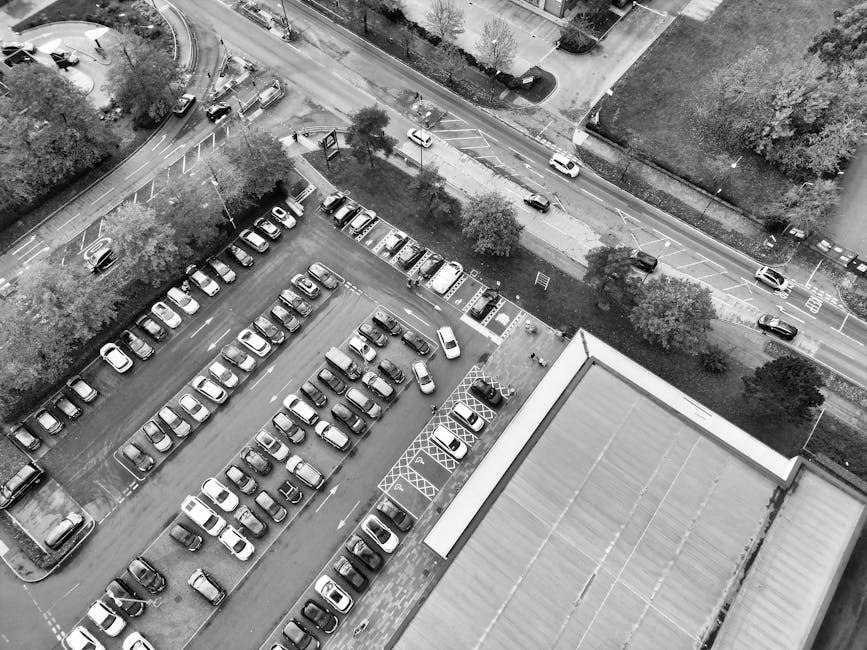
Gidea Park has a mix of residential streets, station-adjacent roads, flats, terraced houses, and busier routes where stopping is less straightforward than it first appears. Some properties have driveways or front spaces; others do not. Some have narrow roads with parked cars on both sides. On certain days and times, even a perfectly planned move can be slowed down by traffic, school runs, or a neighbour's car that has decided to sit exactly where you need to be. It happens. More than once.
Why does this matter so much? Because parking pressure can create knock-on problems:
- longer manual carrying distances
- higher risk of damage to furniture or door frames
- slower loading and unloading
- more strain on the people doing the lifting
- extra stress if the van must wait or circle the area
When the access plan is strong, the whole move feels more controlled. That is especially useful for larger household relocations, office moves, or anything involving bulky items such as sofas, beds, or pianos. If your move includes heavy or awkward pieces, it is worth reviewing furniture removals in Gidea Park and, where relevant, specialist piano removals support before the day arrives.
How Parking and loading challenges for Gidea Park moves Works
The practical side of parking and loading is not really about finding the nearest space. It is about creating a safe, legal, and workable position for the van so the removal team can keep items moving without interruption.
Usually, the process starts with a quick look at the property access. That may include the width of the road, the space available at the kerb, whether there is a driveway, how far the front door sits from the road, and whether any temporary restrictions are likely to affect parking. If a road is too tight for a van to stand safely while loading, the move may need a different approach altogether.
A sensible loading setup normally considers:
- vehicle position - close enough to reduce carrying distance, but not so close that it blocks traffic or creates a hazard
- door access - whether items can be carried in a straight line or need to be turned through tight hallways and steps
- load order - placing the largest, heaviest items first where possible
- route to the van - checking for gates, kerbs, uneven surfaces, and awkward corners
- weather conditions - because a wet pavement or icy morning changes everything, doesn't it?
In many cases, the issue is not the move itself but the timing. For example, a morning slot may be easier if the road is quieter, while an afternoon move may suit a property where residents are out and parking is less congested. The best arrangement depends on the street, the building, and the size of the removal. There is no single magic answer.
In practical terms, a good moving team will treat parking as part of the job, not an afterthought. That means arriving with the expectation that they may need to adapt quickly: reposition the van, change the loading sequence, protect more floor space, or use additional handling equipment. If you are comparing providers, the wider service offering at the services overview can help you understand which types of move are best supported.
Key Benefits and Practical Advantages
Good parking and loading planning does not just prevent problems. It improves the whole moving day in ways that are easy to feel but hard to appreciate until something goes wrong.
1. Faster progress
When the van is positioned well, the team can work continuously. That saves time on both ends of the move. You will notice the difference most when you have a lot of boxes, or when bulky items need to be taken down stairs. Less walking equals less faff. Simple as that.
2. Lower risk of damage
Long carrying distances increase the chance of bumping walls, door frames, railings, or the item itself. A good loading point helps reduce contact points and awkward turns. That matters when moving items with delicate finishes, mirrors, or glass components. If you are storing large items before the move, the guidance in sofa storage and durability advice can be useful too.
3. Better safety
Lifting and walking with heavy loads over longer distances is tiring, especially in warm weather or when the job runs longer than planned. A better vehicle position lowers the physical strain and can reduce the chance of slips, twists, and overreaching. For a broader understanding of safe handling, insurance and safety guidance is a sensible read before moving day.
4. Less disruption to neighbours and traffic
In a place like Gidea Park, being considerate matters. A tidy loading plan helps you avoid blocking entrances, narrowing the road for too long, or creating a queue of frustrated drivers. And yes, that really does set the tone for the day.
5. More predictable costs and scheduling
When access is easy, the job is easier to estimate accurately. That tends to make scheduling smoother and reduces the risk of delays. If you are reviewing options and want to understand how pricing fits into a move, pricing and quotes is a useful next stop.
Expert summary: The best parking and loading plan is the one that reduces carrying distance, protects the property, keeps the vehicle legal and safe, and allows the team to keep moving without stop-start chaos.
Who This Is For and When It Makes Sense
This topic matters to almost anyone moving in or out of Gidea Park, but some people feel the pressure more than others.
Homeowners often need help where the driveway is small, the frontage is tight, or the street is already full of parked cars. If you are moving a full household, even a fairly short walk to the van can become a real bottleneck.
Flat movers may have to deal with shared entrances, stairwells, limited stopping space, or longer routes from a rear car park to the front door. Flat moves can be perfectly manageable, but they need sharper planning. For that reason, flat removals in Gidea Park are often handled with a tighter loading schedule.
Students usually move lighter loads, but parking still matters. A van parked on the wrong side of a busy road can make even a small move awkward. If you are working to a deadline, student removals in Gidea Park may be worth considering.
Office movers need access that lets them keep files, desks, IT equipment, and office chairs moving without blocking staff access or local traffic. Timing is usually more sensitive too. For that, office removals in Gidea Park call for tidy coordination.
People doing a same-day move have the least room for error. If there is a parking issue, the schedule can unravel very quickly. In those cases, same-day removals support can be helpful because the work needs to be fast, flexible, and realistic.
It also makes sense if you are downsizing, moving from a busy main road, or shifting out of a property with limited nearby stopping space. In those situations, parking and loading planning is not optional. It is the thing that holds the rest of the move together.
Step-by-Step Guidance
Here is a practical way to approach the job without overcomplicating it.
- Check the access at both properties early. Look at the road width, the usual parking pattern, any gates, slopes, steps, and the distance from entrance to kerb. Do not wait until the day before. That is where avoidable stress starts.
- Decide where the van should stand. The best spot is not always directly outside the door. Sometimes a slightly farther position gives a safer angle and avoids blocking a neighbour's drive or a pinch point in the road.
- Consider the time of day. Quieter periods are usually easier for loading. If your street gets busy around school pickup or commuter hours, plan around that where possible.
- Sort items into loading priority. Heavier and awkward pieces should be positioned with the van load in mind. Smaller boxes can fill gaps later. That kind of ordering matters more than people think.
- Protect the route from house to van. Use floor coverings, door protection, and clear pathways so repeated trips do not leave scuffs or trip hazards.
- Keep the loading area clear. Sacks, loose boxes, plant pots, shoes, and random last-minute bits can turn a good plan into a scramble. One shoelace underfoot and suddenly everyone is laughing nervously. Not ideal.
- Have a backup plan. If the first parking position is blocked, know where the second-best option is. If a narrow street becomes unusable, decide in advance how the team will work from a different spot.
- Stay in communication. A quick chat between the driver and the people carrying items avoids wasted steps and awkward assumptions. It sounds basic, but it really helps.
If your move includes a lot of packing or sorting still to do, it may be useful to combine this with efficient moving without the stress and the practical guidance on packing and boxes in Gidea Park.
Expert Tips for Better Results
In our experience, a few small habits make a huge difference in tight-access moves.
Book an access check into the moving plan. If the property is on a road that already feels cramped, ask for a proper review of where the van will stand and how items will travel from the property to the vehicle. That can prevent last-minute reshuffling.
Keep the heaviest items closest to the exit point. If a sofa or bed frame is buried behind boxes, the loading sequence gets messy. A little staging inside the property saves a lot of shuffling later. If you are moving a bed or mattress, there is some helpful guidance in this mattress-moving article.
Use small, sturdy loads for long carry routes. If the van cannot stop close by, do not overfill boxes. A box that is too heavy becomes painful very quickly when you need to walk it farther than expected.
Be realistic about timing. A move that looks simple on paper can slow down when parking is tight, especially if the road is busier than expected. Build in breathing room.
Watch for awkward weather. Rain makes pavements slick, boxes softer, and patience thinner. Not exactly a revelation, but worth saying. On damp mornings especially, keep the route as short and protected as possible.
Match the vehicle to the job. A van that is too large for the street can be awkward to position, while a vehicle that is too small may create extra trips. The right van size is one of those behind-the-scenes decisions that quietly changes the whole day.
Think about waste before you move. If old furniture, broken items, or clutter are taking up space, remove them in advance. That makes parking and loading simpler because fewer items need handling. For that side of the job, bulky waste removal options in Gidea Park are worth reviewing.
Common Mistakes to Avoid
Most access problems are avoidable. The trouble is that people tend to underestimate them until the van has arrived.
- Assuming the van can stop directly outside. Streets change from hour to hour. Another vehicle, a delivery truck, or an unexpected obstruction can completely alter the plan.
- Leaving it too late to clear the front area. A tidy loading zone matters. If the path is cluttered, the job takes longer and becomes less safe.
- Ignoring step-free access issues. A short flight of steps, a narrow doorway, or a steep front path can be more important than the parking space itself.
- Overloading boxes. Heavy boxes are bad enough when carrying them a few metres. Over a longer loading route, they become a real problem.
- Forgetting about neighbours and shared access. Blocking a driveway or communal entrance can create avoidable friction. Better to plan a little more carefully.
- Not checking restrictions. Some roads are fine at one time and difficult at another. Even if you are not dealing with formal restrictions, the local parking pattern may still be a headache.
- Skipping a route rehearsal. If the carry path includes tight corners or uneven ground, walk it first. It is much easier to spot issues with empty hands.
A lot of these mistakes come from pressure rather than carelessness. Moving day is busy. People are juggling keys, paperwork, children, boxes, and phone calls. That is exactly why a clear access plan helps - it gives the day a backbone.
Tools, Resources and Recommendations
You do not need a complicated toolkit to handle most parking and loading problems, but a few practical items help.
- Protective covers and blankets for furniture and door edges
- Strong tape and labels so items can be identified quickly during loading
- Hand trucks or sack trucks for heavier boxes where the route allows it
- Ratchet straps or tie-downs to secure the load inside the van
- Floor protection for entryways and hallways
- Reflective awareness and good lighting if loading begins early or finishes late
It also helps to think beyond the move itself. If you are storing items between properties, a parking problem can become a storage problem if you are not careful. For that, storage in Gidea Park may be worth considering, especially where the timetable is uncertain.
For people who prefer a more hands-off move, it can be useful to compare different support levels. man with a van in Gidea Park, man and van in Gidea Park, and fuller removal services each suit different needs. If you are weighing providers, removal companies in Gidea Park may offer different levels of planning and access support, which can matter quite a bit on busy roads.
Law, Compliance, Standards, or Best Practice
Parking and loading in the UK is shaped by a mix of local conditions, road rules, and common-sense best practice. Exact restrictions can vary by street and by local authority, so it is always wise to check the signs on the day rather than relying on memory. That is especially true near station areas, busier residential roads, or places where residents' parking rules can change the available space.
From a safety and compliance perspective, the main principles are straightforward:
- do not block traffic unnecessarily
- do not obstruct pedestrian access
- do not create an unsafe lifting route
- keep the loading area as clear as practical
- use safe manual handling methods
For businesses, the same general idea applies with even more pressure on timing and access control. Staff, customers, deliveries, and loading all need to coexist. That is why office moves often benefit from a fuller plan and, sometimes, a quieter moving window.
It is also good practice to think about insurance, especially if access is tight or items are particularly valuable. If something does go wrong in a narrow hallway or on a difficult kerbside, you want to know the moving process was handled professionally. The details around health and safety policy and insurance and safety are worth reviewing as part of that wider reassurance.
If sustainability matters to you, consider how unnecessary journeys, waste, and replacement purchases can be reduced by better planning. A move with fewer trips, less damage, and less waste is usually the greener move too. That links neatly with recycling and sustainability and even some of the thinking in storage planning for items you are not using.
Options, Methods, or Comparison Table
Different property layouts need different loading approaches. Here is a simple comparison to help you think through the most practical option.
| Loading method | Best for | Advantages | Trade-offs |
|---|---|---|---|
| Direct kerbside loading | Quiet streets with enough stopping space | Shortest carry distance, fast turnaround | Depends on parking being available right outside |
| Short-distance loading from nearby space | Busy residential roads and streets with limited frontage | Still fairly efficient, often more realistic | More walking, needs stronger coordination |
| Driveway loading | Homes with private access | Usually safest and most controlled | Not always available, may require careful positioning |
| Staged loading from inside to outside | Moves with lots of items or awkward access | Keeps the loading flow organised | Needs space inside the property and good sequencing |
There is no perfect method for every move. Sometimes a direct kerbside stop is ideal. Other times, a short walk from the nearest safe place is the better compromise. To be fair, that compromise is often the smartest choice because it keeps everyone safer and calmer.
Case Study or Real-World Example
Here is a realistic example from a typical Gidea Park-style move. A family relocating from a narrow residential road had a van due mid-morning, but the street was already partly full of parked cars. At first glance, it looked like a problem. The property itself had a small front area, but no driveway. The team arrived a little early, checked the road, and realised the ideal space outside the property would be too tight for a full loading stop.
Instead of forcing it, they used a nearby position that gave a safer angle and kept the carry route clear. The heavier furniture was staged first near the doorway, while the smaller boxes were organised in labelled groups so they could fill the remaining van space efficiently. The move still took effort - no pretending otherwise - but it avoided stop-start confusion and reduced the risk of bumping into a parked car or the property frontage.
What helped most was not a fancy tool or a lucky break. It was the decision to adapt quickly and keep the process tidy. That meant fewer complaints, less dragging things back and forth, and a much steadier rhythm to the day. You could almost hear the relief once the big items were on board and the hallway was clear again.
This is why access planning matters. The move was not made easier by ignoring the parking issue; it was made easier by working with the street rather than against it. If the family had also been decluttering ahead of time and packing carefully, the day would have felt even smoother. That is often the real lesson.
Practical Checklist
Use this checklist before moving day. It keeps the essentials in one place.
- Confirm where the van is most likely to stop
- Check for driveway access, kerb space, or loading restrictions
- Walk the route from door to van
- Remove clutter from the front path and entrance
- Protect floors, corners, and door frames
- Label boxes clearly by room and priority
- Stage heavy or awkward items near the exit
- Keep the route clear of pets, children, loose bags, and shoes
- Decide what to do if the planned parking spot is unavailable
- Check weather and allow extra time if conditions look poor
- Arrange storage or waste removal if items do not need to travel
If you are also sorting out what stays and what goes, downsizing move guidance for Balgores Lane residents and the moving checklist for Gidea Park homes on Main Road can help you stay organised without overthinking everything.
Conclusion
Parking and loading challenges for Gidea Park moves are not unusual, and they are rarely solved by luck. They are solved by preparation, flexible thinking, and a moving plan that respects the realities of local streets. If the van can stop safely, the carrying route is clear, and everyone knows the sequence, the day feels far more manageable.
That is the heart of it. Not perfection. Just a calm, workable system that keeps the move moving.
Get a free quote today and see how much you can save.
And if you are still in the early stages, don't worry about having every detail nailed down. Start with the access, then build from there. One sensible decision at a time is usually enough to turn a stressful move into a steady one.